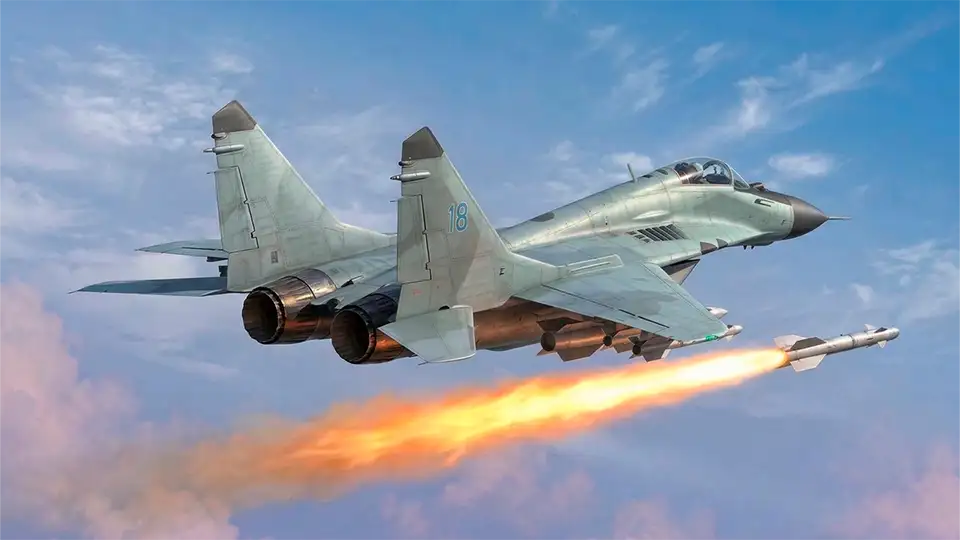
Lightweight Frontline Fighter (1980)
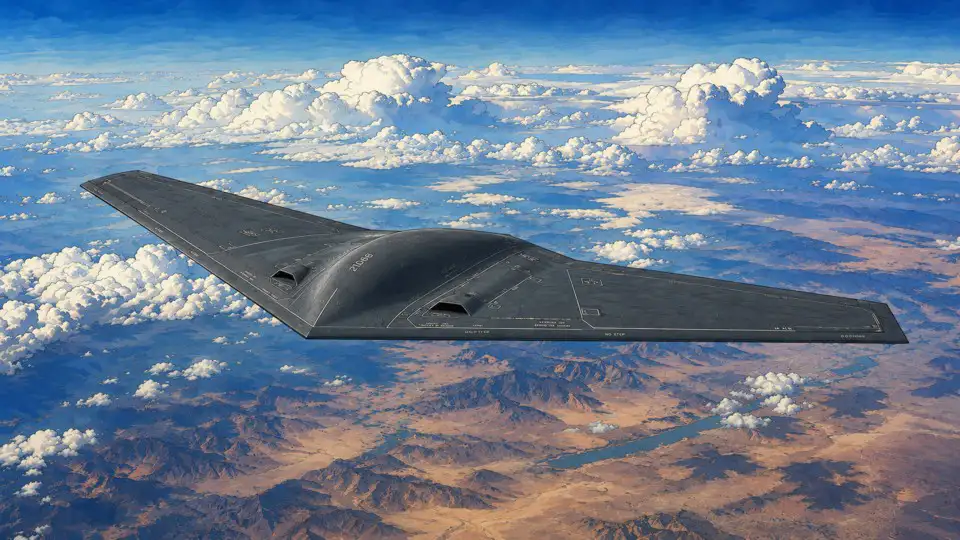
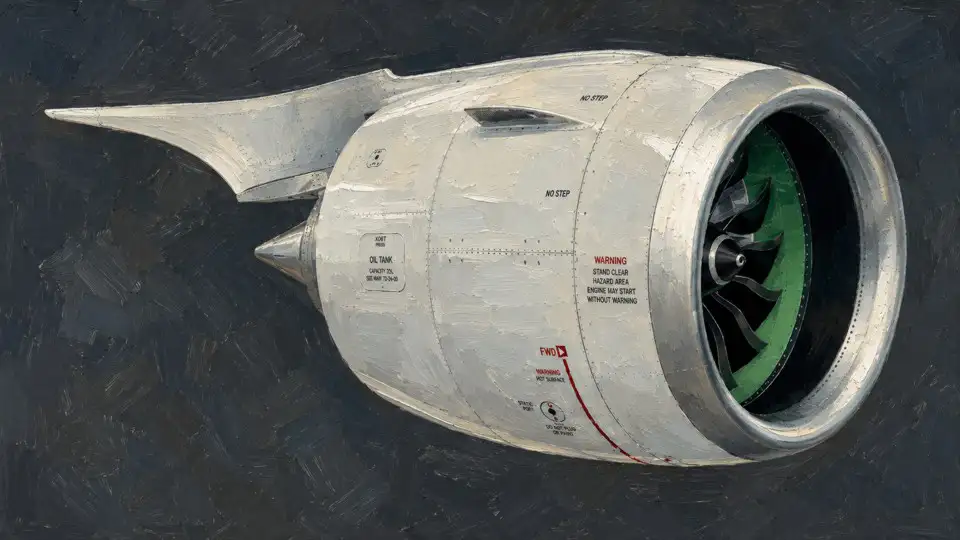
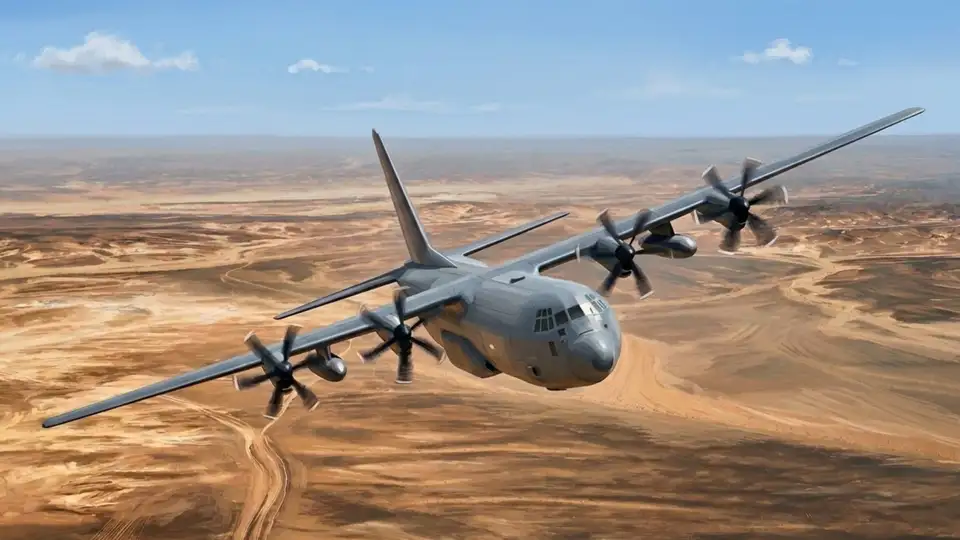
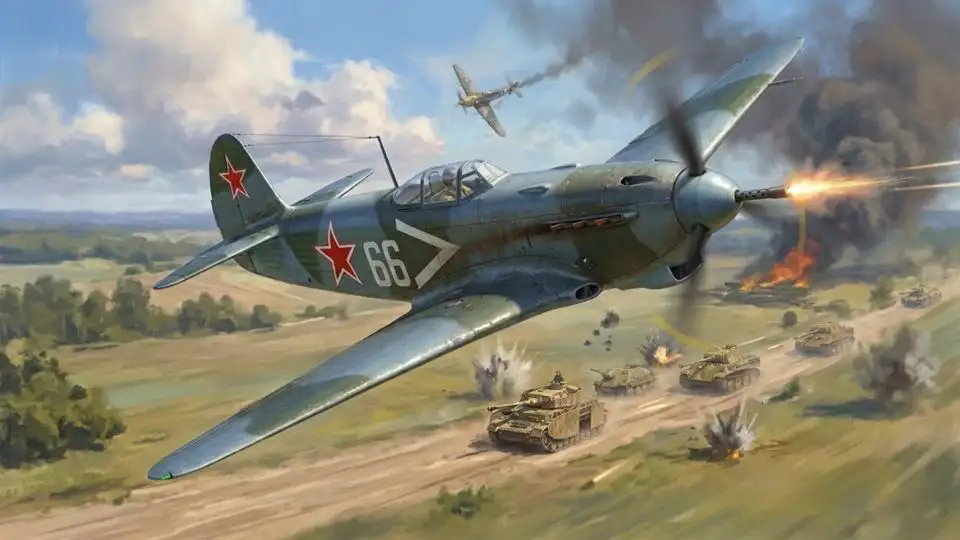
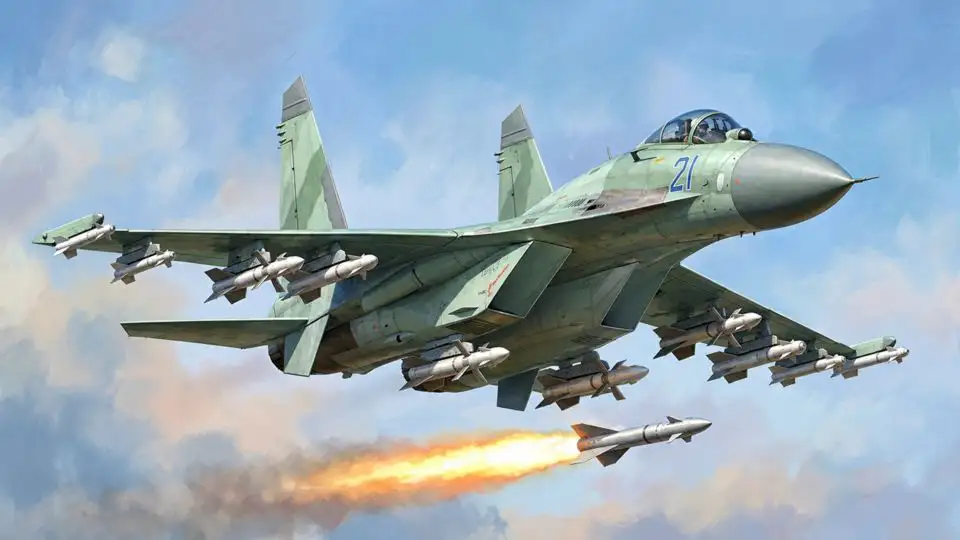
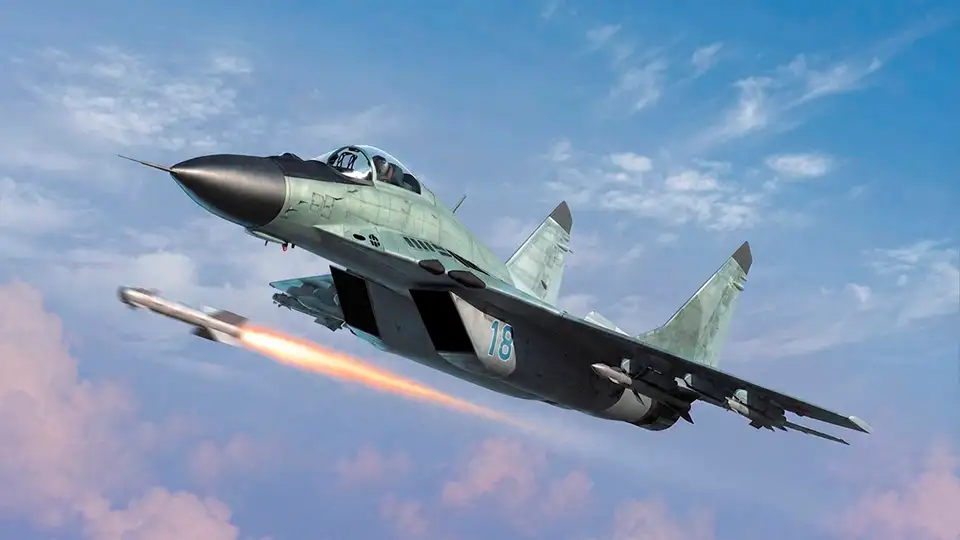
The multi-role frontline fighter is a highly maneuverable fourth-generation aircraft system designed to achieve air superiority and destroy targets in all weather conditions. The aircraft features an integrated aerodynamic design in which the all-metal fuselage blends smoothly into large leading-edge extensions (LERX), forming a unified lifting body that generates up to 40% of the total lift. Its propulsion system consists of two powerful afterburning turbofan engines housed in isolated nacelles beneath the fuselage, ensuring high reliability and exceptional dynamic performance. Operation relies on a high thrust-to-weight ratio (exceeding 1:1) and efficient airflow management: the adjustable air intakes are equipped with special protective panels that shield the engines from foreign object ingestion during takeoffs from unprepared airfields. The aircraft is equipped with a targeting and navigation suite comprising a pulse-Doppler radar and a quantum optoelectronic targeting system—enabling the detection and tracking of aerial targets even against ground clutter—as well as a target designation system that displays data on the pilot's helmet-mounted sight. Regarding key performance specifications, the fighter can reach a maximum speed of up to 2,450 km/h (Mach 2.3) at altitude and 1,500 km/h at sea level, with a service ceiling of up to 18,000 meters. It has a combat radius of approximately 700 km (extendable via under-wing fuel tanks) and can withstand a load factor of up to 9g, allowing for the execution of complex aerobatic maneuvers. Its armament includes a built-in 30mm autocannon and six hardpoints for air-to-air missiles and guided bombs.
Model Information
Anton Dubina
In Progress
Airplane
In Development
TBA