05.12.2025
Charging unit
electric vehicles, charging, economics
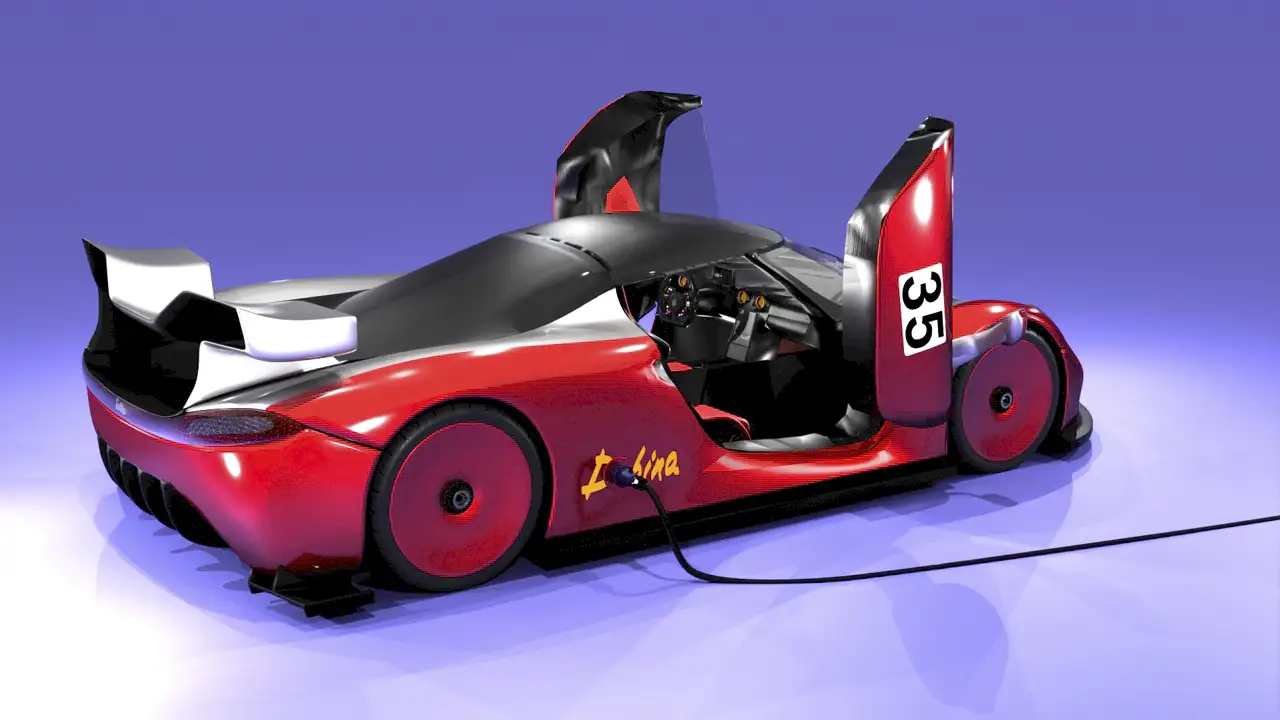
The vehicle's storage battery is charged by a charging device. The charging station connects to the city's three-phase AC network with a voltage of 220 V and a frequency of 50 Hz. Using the charging unit, alternating current (AC) is converted into direct current (DC), which is neces-sary for charging the battery. The AC-to-DC converter is integrated into the charging unit rather than the vehicle to avoid size and weight constraints. The charging unit is mounted on a wall. At a current of 50 A, the charging station delivers 11 kW of power. The maximum power of the charging station is 25 kW. It operates with a voltage from 120 to 400 V and a current of up to 100 A. At 220 V and a current of 30 A, the charging power is 6.6 kW. A battery with a capacity of 90 kWh will charge in 13.5 hours. The charger is made of durable plastic; the housing features a display showing information on current, voltage, and charging time. The housing has an oval shape with a recess for winding the cable. The dimensions of the charging station are 600 × 350 × 250 mm. The cable is wound and secured by plugging the connector into a socket on the housing.